









NAFTA Transforms

Logo de Onilog Group, empresa líder en logística y cadena de suministro en México.

NAFTA going into UMSCA

Ícono ilustrativo de comercio internacional entre los tres países de América del Norte: México, Estados Unidos y Canadá.

What Does The New Free Trade Agreement Between The 3 North American Countries Really Means?

Before going into comment of the new Free Trade Agreement between Mexico, USA, and Canada, let us see what the old one did for the region.

Before NAFTA came to effect (1994), the trading between these 3 countries were approximately 290 billion dollars. Last year (2019), the trade between the NAFTA Countries were $1.23 trillion dollars. That represent more than 4-fold in merchandise trading among 491 million inhabitants. Also, there are new value chains in different sectors that intertwined between the three counties. Nowadays, more than ever, the North American region is consolidating as an intranational market that generate growth and prosperity for its inhabitants.

Although, NAFTA in general had been good, not all of it had been icing on the cake for everybody. There are some sectors that had been hit by this market rearrangement, in all the three countries. And this situation has been used for political purposes, specially in the USA.

Ícono representativo de la colaboración y transparencia en la cadena de suministro.

Introducing the USMCA: Changes from NAFTA NAFTA

Nevertheless, NAFTA was renegotiated and signed in to a new agreement called in the USA as US-Mexico-Canada Agreement or USMCA. This new agreement has 12 more chapters than the previous NAFTA and include areas such as e-commerce and labor issued that were not considered before. A brief of the changes is as follows:

Icono verde con gráfico y símbolo de porcentaje, representando las reglas de origen del T-MEC en la industria automotriz.

Country of Origin Rules

Automobiles must have 75% of their components manufactured in Mexico, the US, or Canada to qualify for zero tariffs (up from 62.5% under NAFTA). This provision will take 5 years to be implemented with annual increments until 2023.

Icono verde con símbolo de porcentaje y monedas, representando los acuerdos del T-MEC sobre aranceles automotrices entre México, Canadá y Estados Unidos.

Mexico and Canada Get Assurance that Trump Will Not Pound Them with Auto Tariffs

Trump has repeatedly threatened to slap hefty tariffs on car and vehicle parts coming from overseas into the United States. Along with the new trade deal, his administration signed “side letters” allowing the two nations to mostly dodge Trump’s auto tariffs. The side letters say Canada and Mexico can continue sending about the same vehicles and parts across the border free of charge, regardless of whether auto tariffs go into effect down the road. Only parts above that quota could face tariffs.

Icono verde con figura de lingote y línea de producción, representando los aranceles al acero y aluminio impuestos por Estados Unidos bajo la administración Trump.

Trump's Steel and Aluminum Tariffs Stay in Place (For Now)

Canada & Mexico wanted Trump to stop his 25 percent tariffs on steel & aluminum. But that did not happen. Yet! The three countries are still discussing lifting those tariffs, and signaled that, as a token of good faith, for the signature of the new USMCA such lifting could be approaching

Icono verde con figura de trabajador y engranajes, representando las disposiciones laborales del T-MEC para la industria automotriz.

Labor Provisions for Autos

40% of automobile parts, and 45% for pick-up truck, must be made by workers who earn at least $16 an hour by 2023 (for this provision all payroll could be included). Mexico has also agreed to pass laws giving workers the right to Union representation, extend labor protections to migrant workers, and protect women from discrimination. The countries can also sanction one another for labor violations.

Icono verde con monitor y gráfico digital, representando la relación entre propiedad intelectual y comercio digital bajo el T-MEC.

Intellectual Property and Digital Trade

The deal extends the terms of copyright to 70 years beyond the life of the author (up from 50). It also extends the period that a pharmaceutical drug can be protected from generic competition.

Icono verde con manos estrechándose, representando relaciones comerciales y diplomáticas, usado en el contexto de la disposición sobre China dentro del T-MEC.

China Provision

There is an issue on Chapter 32 of the USMCA that could be cumbersome for Mexico on dealing with China. There is an explicit citation for initiation of trade talks with economies that are determined for one of the signatories as a Non-Market Economy.

Icono verde con mesa de negociación y tres figuras humanas, representando la revisión periódica del acuerdo comercial T-MEC cada seis años.

UMSCA Must Be Reviewed After 6 Years

The USMCA stipulates that the three nations will review the agreement after six years. If all parties agree it is still good, then the deal will continue for the full 16-year period (with the ability to renew after that for another 16 years). This was a compromise provision: Trump wanted ability to renegotiate the deal frequently. Ultimately, there will be a review, but it will not happen until after Trump leaves office.

Icono verde con red de nodos digitales, representando la economía digital y las nuevas disposiciones del T-MEC sobre comercio electrónico y tecnología.

Treatment of Digital Economy in the USMCA

It also includes new provisions to deal with the digital economy, including prohibiting duties on things like music and e-books, and protections for internet companies so they are not liable for content their users produce.

This term has to do with the minimal importation cost allowed with no taxes. It was USD$50 with NAFTA and with USMCA will be USD$100. This will foster digital trade.

Section 232 is a trade loophole that Trump has used to impose steel and aluminum tariffs on Canada, Mexico, and the European Union. Both Canada and Mexico wanted protections from these tariffs, but they did not get them. They did get the US to make a side agreement that protects them from possible auto tariffs under 232, though.

The agreement puts in a 16-year “sunset” clause — meaning the terms of the agreement expire, or “sunset,” after a set period. The deal is also subject to a review every six years, at which point the US, Mexico, and Canada can decide to extend USMCA.

Ícono representativo del nearshoring y la relocalización de inversiones en México y Vietnam.

Assessing the Impact of USMCA: NAFTA 2.0 and Its Potential Effects

You can say that USMCA is basically NAFTA 2.0, with major changes for automotive production and new policies on labor and environmental standards, intellectual property protections, and some digital trade provisions. But in general, about 95% of the Rules of Origin remains the same as in NAFTA and only includes an expected tougher enforcement.

Will these changes generate the desired outcome? It is something still to be seen! Will these changes upset value chains already established over 25 years of NAFTAoperations? Most definitely. What the future of USMCA will change trade between the three countries will be? Here are some possible scenarios:

  • Auto market and pharmaceutical products will increase prices for the regional market because of the new rules.
  • Re-localization of plants form elsewhere in the world to this region to fulfill the Rule of Origin.
  • Shortening of value chains and Nearshoring. Mexico will win on this area if it does play it well.
  • Labor claims in Mexico because of unfulfilling workers conditions in production plant in its territory.
Icono verde con símbolos comerciales y engranajes, representando el análisis comparativo entre el T-MEC y el TLCAN.

Is the UMSCA an improvement over NAFTA?

As a conclusion of these implications, does the USMCA is better than NAFTA? The answer is no! It is just a new version that consider new trade issues that there were not present 25 years ago. But it brings to the table new constrains that there were not present before, and does not imply it will make this region a better marketplace.

It also implies that the new Rule of Origin becomes more stringent in the economic sector that proved to be a success for Mexico, harming its economic performance. Does it create good conditions for business to flourish? Well, it depends on the actual reaction of consumers and their preferences for new products and pricing. What it does imply, is a new international tendency towards regionalism and/or nationalism, that it may not necessarily cure the previous situation of winners and losers, but it will certainly change the market prospective for many companies.

Recent posts

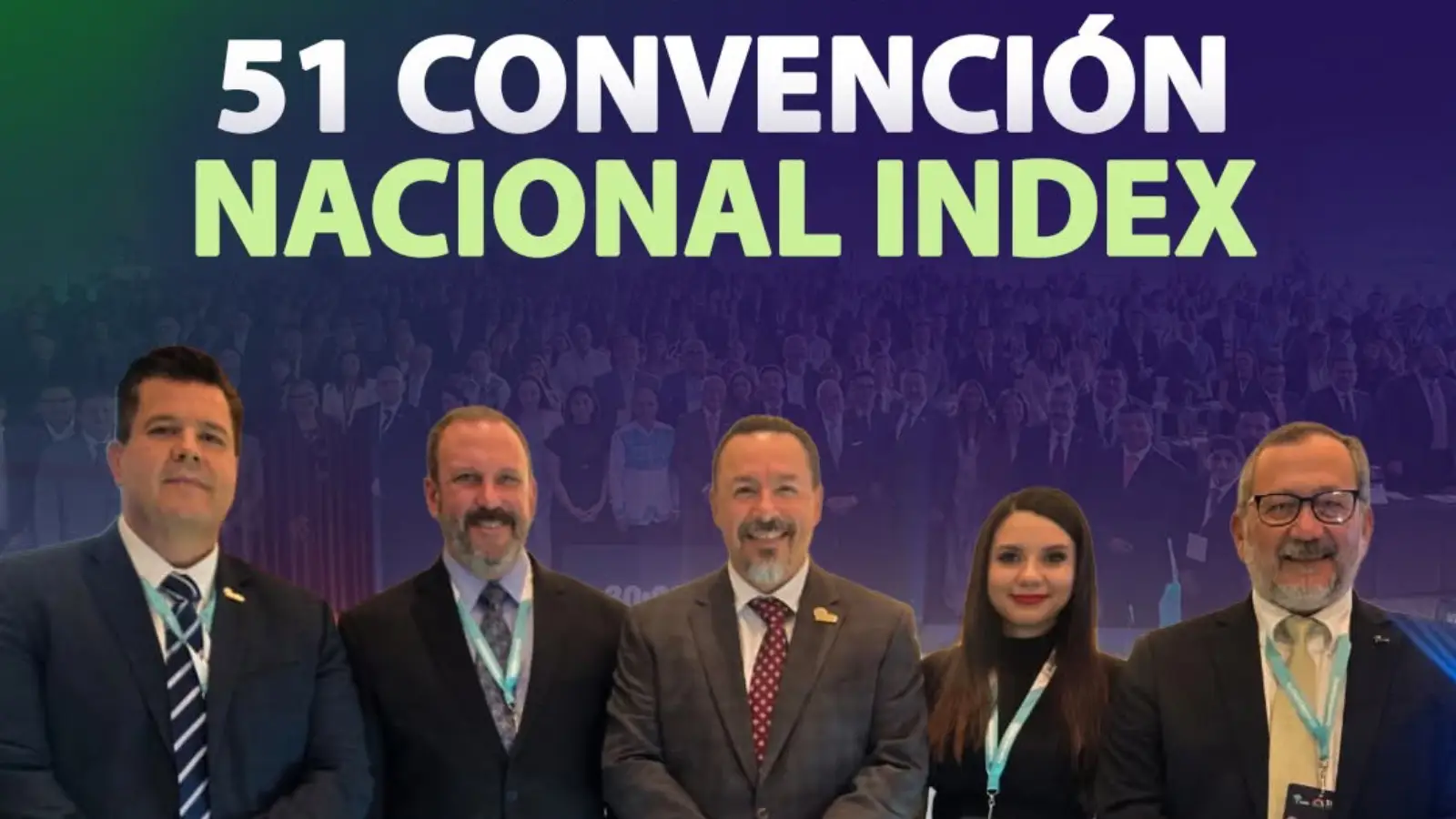
Onilog Group presente en la 51ª Convención Nacional INDEX 2026
05Nov

Onilog Group presente en la 51ª Convención Nacional INDEX 2026

Onilog Group participó en la 51ª Convención Nacional INDEX 2026, fortaleciendo alianzas y vínculos con la…
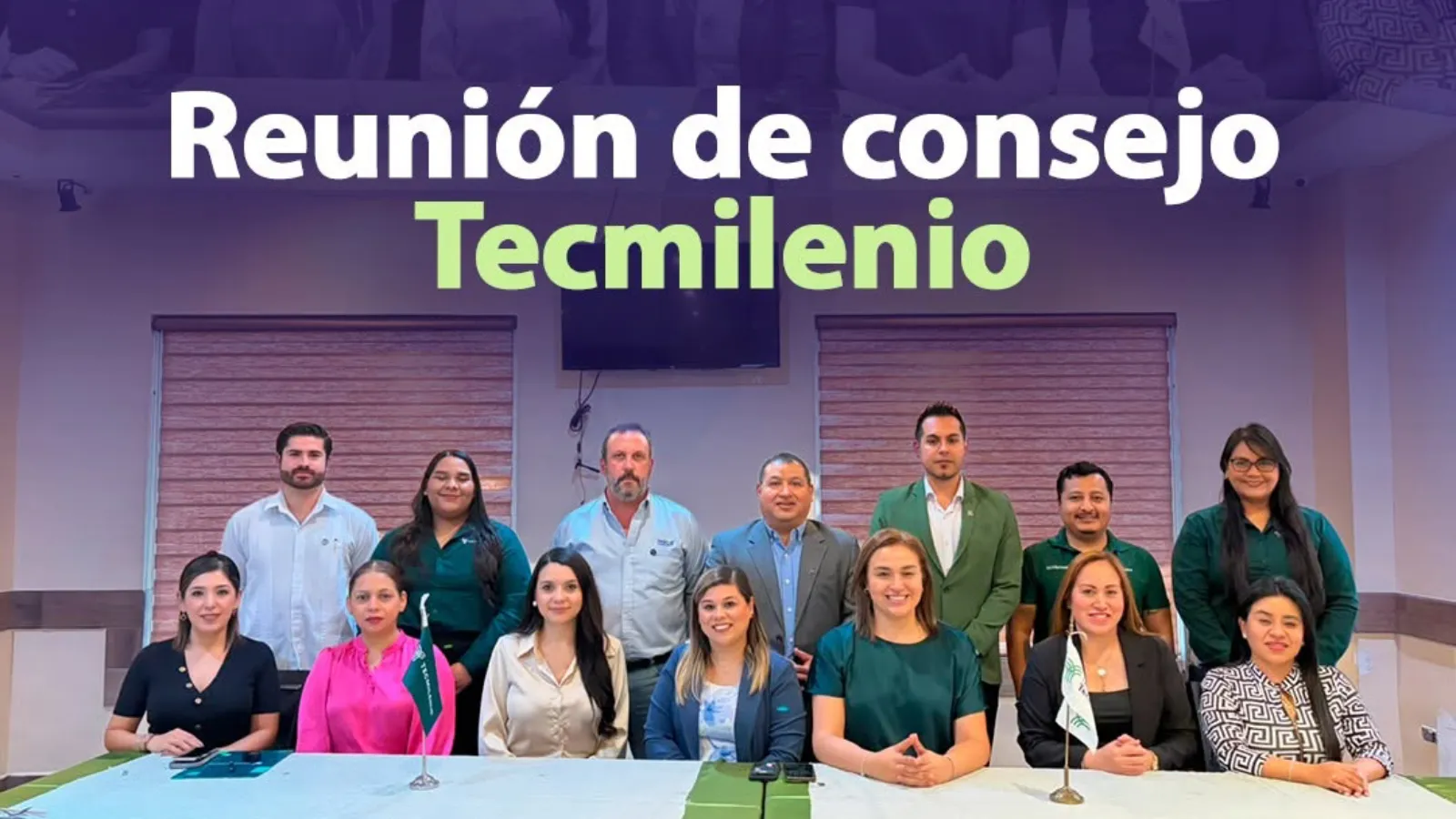
Onilog Group participa en Sesión del Consejo Empresarial de Tecmilenio Nuevo Laredo
16Oct

Onilog Group Participates in Tecmilenio Nuevo Laredo Business Council Meeting

Onilog Group participó en la Sesión del Consejo Empresarial de Tecmilenio Nuevo Laredo, fortaleciendo su compromiso…

Onilog Group participa en la Primera Sesión Ordinaria del Comité Promotor de Inversiones del Estado de Tamaulipas
18Sep

Onilog Group Participates in the First Ordinary Session of the Tamaulipas Investment Promotion Committee

Onilog Group participó en la Primera Sesión Ordinaria del Comité Promotor de Inversiones de Tamaulipas, fortaleciendo…
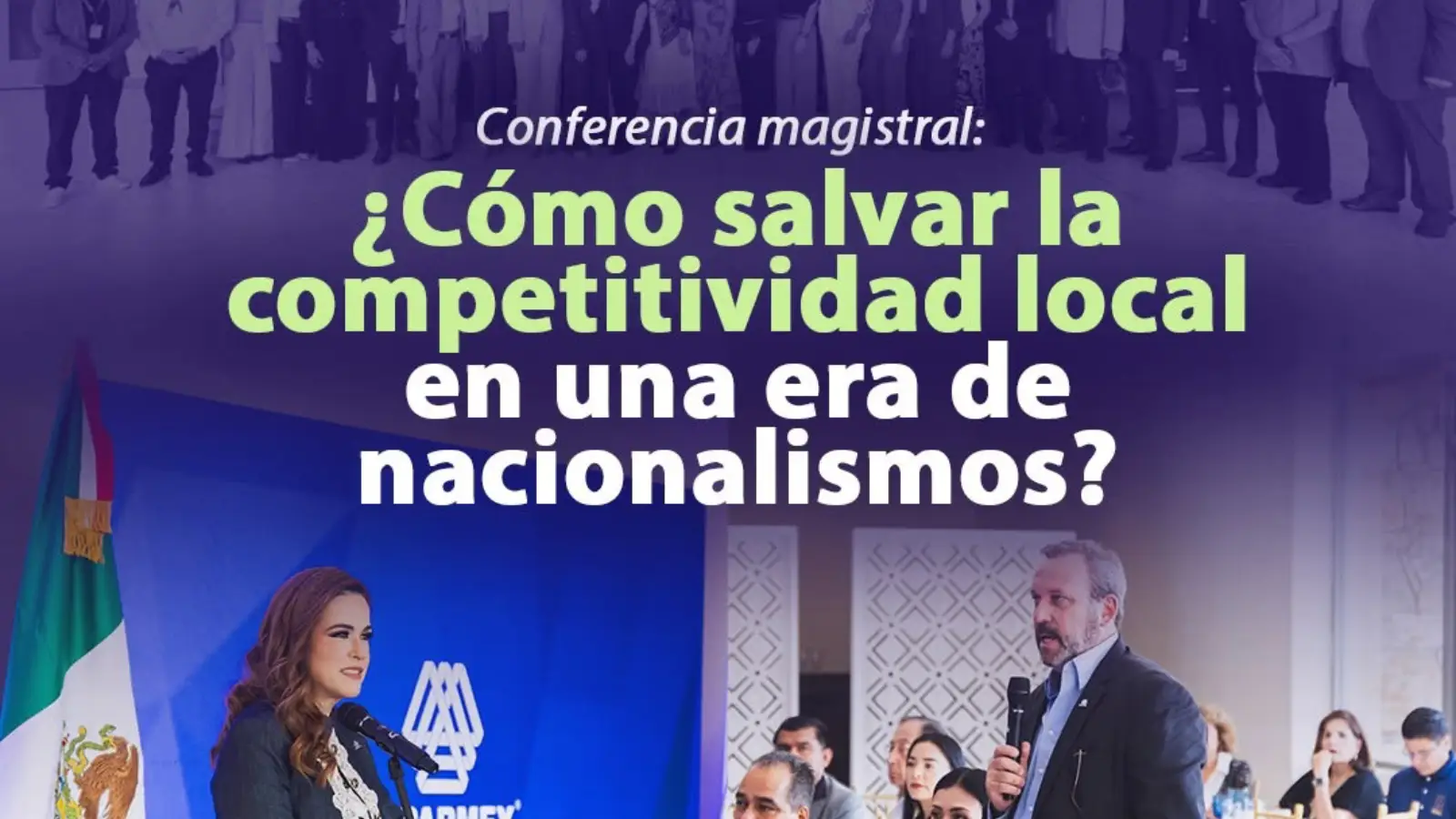
Onilog Group participa en conferencia sobre competitividad local impulsada por COPARMEX Nuevo Laredo
04Sep

Onilog Group participates in conference on local competitiveness hosted by COPARMEX Nuevo Laredo

Onilog Group participó en la Conferencia Magistral impulsada por COPARMEX Nuevo Laredo sobre competitividad local y…
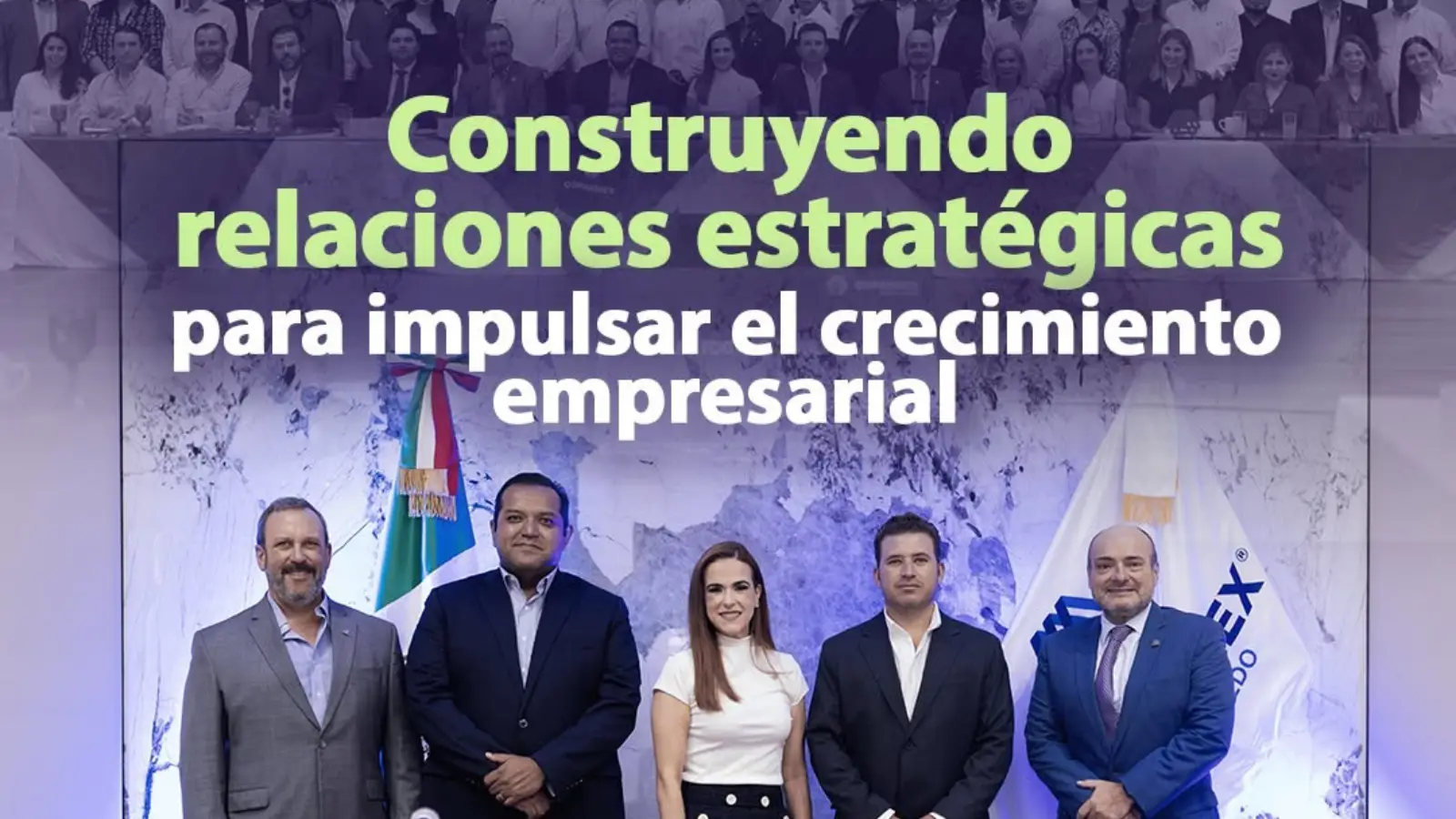
Onilog Group participa en Desayuno Empresarial de COPARMEX Nuevo Laredo
21Aug

Onilog Group participates in COPARMEX Nuevo Laredo Business Breakfast

Onilog Group participó en el Desayuno Empresarial de COPARMEX Nuevo Laredo, fortaleciendo la vinculación con instituciones…

Tu problema ya no es dónde usar IA. Es que tus agentes no se hablan.
18Aug

Your problem is no longer where to use AI. It’s that your agents don’t talk to each other.

Descubre por qué el reto de la inteligencia artificial en logística ya no es adoptar más…

Contact us

Logo de Onilog Group, empresa líder en logística y cadena de suministro en México.

+25 years establishing successful operations in Mexico

Looking for a reliable solution to start operations in Mexico? Onilog is your #1 strategic ally to make it happen. Let’s talk about your next step in Mexico. Our team is ready to guide you every step of the way.

en_USEnglish